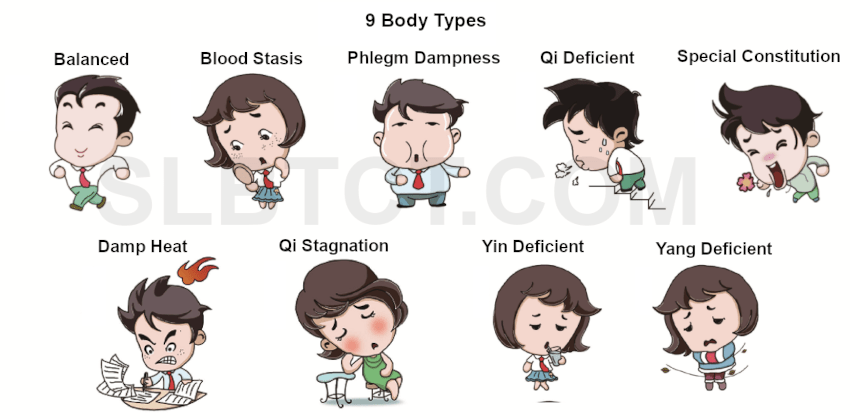
9 TCM Body Types Analysis: A Path to Holistic Health
Understanding your TCM body type based on the ancient wisdom of Huang Di Nei Jing (The Yellow Emperor’s Inner Canon) is the foundation of personalized wellness. Discover how identifying your unique constitution can transform your health journey.
Quick Guide
Follow these steps to explore body type knowledge
What is Body Type in Traditional Chinese Medicine?
In Traditional Chinese Medicine (TCM), your body type or constitution represents your unique physiological and psychological blueprint. This concept, documented in the ancient medical text Huang Di Nei Jing (circa 200 BCE), recognizes that each person has a distinct combination of energies and tendencies that influence their health, responses to treatment, and susceptibility to disease.
The TCM constitutional theory is based on the balance of Qi (vital energy), Blood (Xue), Yin (nourishing aspect), and Yang (activating aspect). When these elements are in harmony within your unique constitutional framework, you experience optimal health. Imbalances create specific patterns that correspond to the nine primary body types.
💡 Clinical Insight: Unlike Western medicine’s symptom-focused approach, TCM constitutional analysis addresses the root causes of health issues. By understanding your constitutional type, you can receive truly personalized healthcare that aligns with your body’s natural tendencies.
Why Constitutional Analysis Matters
Preventive Healthcare
Identify vulnerabilities before diseases manifest
Personalized Treatment
Tailored therapies that actually work for you
Holistic Understanding
Connect physical, emotional, and mental health
Research Note: Studies in the Journal of Traditional Chinese Medical Sciences show correlations between TCM constitutional types and specific genetic markers.
The Nine TCM Body Types: Your Constitutional Blueprint
According to Huang Di Nei Jing, everyone falls into one of nine constitutional patterns, or a combination thereof. Each type has distinct characteristics, strengths, and vulnerabilities.
🔍 How TCM Practitioners Diagnose Your Body Type
Observation (望诊)
Observing the patient’s complexion, tongue, eyes, and overall appearance to gather initial diagnostic clues.
Listening & Smelling (闻诊)
Listening to the patient’s voice, breathing, and detecting any distinctive odors that may indicate specific imbalances.
Questioning (问诊)
Detailed inquiry about symptoms, lifestyle, diet, sleep patterns, emotions, and medical history to understand the patient’s condition.
Pulse Reading (切诊)
Feeling the pulse at the wrist to assess the quality, rhythm, and strength, indicating the state of internal organs and overall constitution.
📊 Four Examinations Combined (四诊合参)
A qualified TCM practitioner combines all four diagnostic methods—Observation, Listening/Smelling, Questioning, and Palpation—to form a comprehensive understanding of your unique constitution. This holistic approach ensures accurate body type identification and personalized treatment planning.
Personalized Therapies for Each Body Type
TCM offers customized treatment plans based on your constitutional type. Here are key therapeutic approaches for common patterns:
| Body Type | Dietary Focus | Recommended Exercises | TCM Therapies |
|---|---|---|---|
| Qi-Deficient | Warm, cooked foods: sweet potatoes, oats, chicken, dates. Avoid raw, cold foods. | Gentle: Tai Chi, Qi Gong, walking. Avoid overexertion or heavy sweat. | Acupuncture(not frequently), Moxibustion and food therapy |
| Yang-Deficient | Warming foods: ginger, cinnamon, lamb, walnuts. No cold drinks. | Tai Chi, Moderate: brisk walking, dancing. Keep warm during exercise. | Moxibustion, food therapy |
| Yin-Deficient | Cooling, hydrating: watermelon, cucumber, tofu, pears. Avoid spicy foods. | Tai Chi, Cooling: swimming, yoga, evening walks. Avoid overheating. | Acupuncture, food therapy |
| Phlegm-Dampness | Drying foods: barley, corn, radish, green tea. Avoid dairy and sweets. | Tai Chi, Vigorous: running, aerobics, hot yoga. Promote sweating. | Acupuncture, Gua Sha, Cupping, food and herb therapies |
| Damp-Heat | Detoxifying foods: bitter melon, celery, mung beans. Avoid greasy, spicy foods. | Tai Chi, Moderate cardio: cycling, swimming. Exercise in cool environments. | Acupuncture, food and herb therapies |
| Qi-Stagnation | Light, aromatic foods: citrus fruits, mint, leafy greens. Avoid heavy, greasy foods. | Stress-relieving: Tai Chi, yoga, dance, outdoor activities. Regular movement. | Moxibustion, Acupuncture, Gua sha, Cupping, food and herb therapies |
| Blood-Stasis (Common in pain conditions) |
Blood-activating foods: hawthorn, turmeric, black fungus, chives. Avoid cold, raw foods. | Circulatory: Tai Chi, swimming, cycling, brisk walking. Avoid sedentary lifestyle. | Moxibustion, Acupuncture, cupping, gua sha, food and herb therapies |
| Blood-Deficient | Blood-nourishing foods: spinach, red dates, lean meats, black sesame. Iron-rich foods. | Gentle: Tai Chi, walking, stretching, restorative yoga. Avoid overexertion. | Moxibustion, Acupuncture, food and herb therapies |
| Balanced Type | Varied, nutrient-rich diet. Seasonal eating. Moderation in all foods. | Regular: mix of cardio, strength, flexibility. Maintain routine. | Preventive care: seasonal Moxibustion, Acupuncture, herbal diet, regular check-ups. |
💡 Important Note on Blood-Stasis Type
Blood-Stasis constitution is extremely common in chronic pain conditions. It manifests in two main patterns:
Qi-Stagnation with Blood-Stasis
Emotional stress leads to Qi stagnation, which over time causes blood stasis. Common in tension headaches, PMS with clots, stress-related pain.
Cold-Congealing Blood-Stasis
Cold exposure or Yang deficiency causes blood to congeal and stagnate. Common in arthritic pain, menstrual cramps, cold-induced muscle pain.
Clinical Insight: Many chronic pain patients exhibit Blood-Stasis patterns. Accurate differentiation between Qi-Stagnation and Cold-Congealing types is crucial for effective treatment.
💡 Important Note on Blood-Deficient Type
Blood-Deficient constitution often coexists with other patterns and is common in:
- Post-illness recovery patients
- Chronic fatigue and fibromyalgia sufferers
- Women with heavy menstrual cycles
- Poor dietary habits or digestive issues
- Postpartum women needing blood replenishment
Treatment Focus: Blood-Deficient types often require combined treatment with Qi-tonifying herbs, as “Qi generates Blood.” Comprehensive diagnosis is essential to address both Blood deficiency and any underlying causes.
The TCM Treatment Pyramid: A Holistic Approach
Foundation: Diet & Nutrition
Food as medicine, tailored to your constitutional needs and seasonal changes.
Lifestyle & Exercise
Movement patterns, sleep hygiene, and stress management specific to your type.
TCM Modalities
Acupuncture, herbal medicine, moxibustion, and other TCM treatments.
“True healing addresses all levels: what you eat, how you move, and how you balance your energy.“
🔄 The Path to Balanced Health
Remember: Disease forms over years, and healing takes time. The therapies above provide guidance, but personalized professional diagnosis is crucial for mixed constitutions.
With consistent effort to improve lifestyle habits and proper TCM guidance, your body’s natural healing capacity can be significantly enhanced.
Case Study: Sarah’s Journey with Qi Deficiency
🎯 Need Help with Mixed Constitution?
If you suspect you have a mixed constitution (as most people do), our TCM practitioners can help identify your primary and secondary patterns and create a personalized, sequential treatment plan tailored to your unique needs.
“The journey to health is gradual, but with proper guidance, every step brings you closer to balance.“
Begin Your Journey to Balanced Health
Understanding your unique TCM constitution is the first step toward lasting wellness.
Our certified practitioners provide personalized guidance for your holistic health journey.
“The journey of a thousand miles begins with a single step.” – Lao Tzu
Frequently Asked Questions
Common questions about TCM constitutional analysis and body typing
How accurate are online body type quizzes compared to professional TCM diagnosis?
+
Online quizzes can provide general guidance but lack the precision of professional TCM diagnosis. Key differences include:
- Pulse diagnosis: A qualified practitioner assesses 28 distinct pulse qualities that reveal deeper constitutional patterns
- Tongue analysis: Color, coating, shape, and moisture provide specific diagnostic information
- Comprehensive questioning: Detailed health history, lifestyle patterns, and emotional tendencies
- Pattern differentiation: Most people have complex patterns with primary and secondary constitutional types
Think of it this way: an online quiz is like a basic thermometer, while professional TCM diagnosis is like a full medical lab workup.
Can TCM constitutional analysis help with autoimmune conditions or modern health issues?
+
Absolutely. TCM constitutional analysis is particularly valuable for complex modern health conditions because it:
- Addresses root causes: Looks beyond symptoms to underlying imbalances
- Modulates immune response: Helps regulate overactive or underactive immune systems
- Reduces inflammation: Specific constitutional approaches target inflammatory patterns
- Provides personalized care: Autoimmune conditions manifest differently in different constitutional types
For example, autoimmune conditions in a Yin-deficient type require different treatment than in a Damp-Heat type, even if the Western diagnosis is the same.
How long does it take to see results with constitutional-based TCM treatment?
+
Most patients notice improvements within 2-6 weeks, but the timeline varies by condition and constitution:
Acute conditions:
2-4 weeks for noticeable improvement
Chronic conditions:
3-6 months for significant changes
Constitutional rebalancing:
6-12 months for deep transformation
Regular follow-up assessments ensure your treatment plan evolves with your changing needs and progress.
Is TCM constitutional analysis compatible with Western medicine treatments?
+
Yes, TCM constitutional analysis can be an excellent complement to Western medicine. We recommend:
- Full disclosure: Inform all healthcare providers about all treatments you’re receiving
- Integrated approach: Use TCM for constitutional balancing and prevention, Western medicine for acute care and diagnostics
- Medication support: TCM can help manage side effects of pharmaceutical treatments
- Collaborative care: We can work with your Western medical doctors when appropriate
Important: Never stop or adjust prescription medications without consulting your prescribing physician. TCM is complementary, not a replacement for necessary medical care.
Is it possible to have more than one body type? How common are mixed constitutions?
+
Yes, mixed constitutions are actually the norm rather than the exception. In clinical practice:
- 80-90% of patients exhibit 2-3 constitutional patterns simultaneously
- Pure single types are relatively rare, often seen in younger, healthier individuals
- Patterns develop in layers over time (e.g., Qi stagnation → Blood stasis → Phlegm formation)
- Most chronic conditions involve complex pattern combinations
💡 Clinical Example: A patient with chronic migraines might have:
Primary: Qi-Stagnation (stress-related)
Secondary: Blood-Stasis (fixed pain)
Tertiary: Liver Yang rising (headache location)
Treatment would address all three patterns in proper sequence.
This complexity is why professional TCM diagnosis is essential—online quizzes can’t capture these layered patterns accurately.
Ready to Start Your Healing Journey?
Understanding your body type is the first step. Let our TCM experts guide you through personalized diagnosis and treatment.
15-30-min Comprehensive Assessment
Personalized Treatment Plan
Follow-up & Adjustments
✨ What Our Clients Say
-
这是一种神奇的疗术,为我消除了身心的伤痛;一次偶然的机会,在纳耐莫认识了五行养生堂的梁女士,刚开始的一个疗程,是以抱着试试看的态度进行了以艾灸为主的理疗,使我消除了长期腰疼的苦痛;在我坚持做完第二个疗程后,两腋下出现了很多就像杂质的体液,同时全身变得有力,更大的是心情不断好了起来;我做完第三个疗程后,全身无比的轻松,让我真正感触到了身体机能的正常是多么开心的事情;本来我想连续做上几个疗程,但是,因为工作出差原因不得不暂停;我为遇到一种神奇的中国传统疗术而欣慰,我更为遇到梁女士的传统疗法而开心;希望中国传统疗法驱除民众的苦痛!愿此神奇的中国传统疗术康复更多的世间广众! Sunray Heating Ltd 总经理:孙小锋 2022年12月15日

Qianqian Yu
December 15, 2022Prior to treatment I had chronic pain from spinal stenosis however, after a couple weeks of taking the tea that was specifically made for me I was in far less pain and discomfort. The results of the treatment were far greater than expected. I highly recommend!!
Justin Docksteader
June 28, 2025Shirley has helped me a great deal in improving my health. Being a Chinese from Hong Kong, I always trust TCM. Although I knew about moxa since I was a kid, I had never tried moxibustion before, until I met Shirley. I had encountered a medical issue in the past few years that none of my doctors and specialists could explain (or in their words "never heard of"). I had also tried cupping, Chinese massage and acupuncture. However, only after I started to have moxibustion and Shirley's five elements tea and herbal teas, I have experienced a huge improvement. As a matter of fact, many of the herbal teas that Shirley prescribes are actually very traditional recipes from the ancient Chinese medical records since thousands of years ago, which are commonly accessible online or on hard copies. However, to feel the pulse, check the body condition and then apply the right recipe for the treatment is utmost crucial and Shirley is proved to be able to do so. And I was told today that the official name of the clinic of "One More Cup of Tea" is "SLB Traditional Chinese Therapies" and there are a lot of information under that page. I am going to leave the exact same review under that name so nobody should miss it. Thank you Shirley.
Vickie
July 25, 2023 -
Shirley at One More Cup of Tea provides supportive herbal teas and tools to maintain health. She is an important part of my team of health providers.
Steve Bruce
February 14, 2026Shirley helped me with my health issues and is a very knowledgable and caring human being. Her services and products are fantastic!
Yori
December 16, 2022I started seeing Shirley in September 2024 when I knew I needed to do more to support my health. Shirley is so knowledgeable and is able to pinpoint things that need attention. Things Western Medicine misses. I am happy to report my blood pressure is down and stabilizing from her treatments and tea. I highly recommend Shirley!
The Primary Advantage
May 10, 2025 -
Excellent, only 3 and 4 treatments, me and my wife fully recovered.
GARY LIANG
December 2, 2025I've been seeing Shirley to help me with eczema rashes that I have been struggling with for many years and I have already been seeing noticeable improvements from her personalized tea, treatments, and advice. Shirley is very good at locating which areas in the body are needing attention. I highly recommend booking with Shirley!
Jenna McLeod
February 17, 2026I would highly recommend booking a consultation with Shirley. I met with Shirley in September and on that day she was able to assess my pulse with precision and identify where improvements could be made to support balancing my body. During my initial consultation, Shirley designed a three month treatment plan for me. At each appointment Shirley thoroughly assessed my progress as we worked in partnership to bring my body into balance. Shirley excels at Moxibustion and Tui Na, two therapies that I experienced during my treatment plan and I also followed all of the “homework” that she assigned me. I am very happy with the positive results that I experienced and again I would highly recommended booking a consultation with Shirley.
Glynnis Schwan
December 11, 2024 -
My opinion is that the teas available at this store are the best natural medicine available in BC. I was amazed at the age of 75 how energized I felt after using Shirley's teas.
Lorne Brown
December 15, 2022The amazing Shirley Brown goes the extra mile to help you to heal. Her initial assessment and history taking is incredibly thorough. Not only does she assess your medical and surgical history but also goes into indepth assessment of your usual diet .eating .sleeping patterns and your exercise routines . Shirley then can treat and heal you so much more profoundly . My first treatment with Shirley was with Moxinustion . Shirley used this to heal imbalances and to restore my energy system and then could prescribe what was needed to make me heal. I went for my first appointment feeling that I could not be healed or would have to wait months if not years to see a specialist. After seeing Shirley I left feeling lighter stronger and with definitely less pain and actual optimism and knew that I had been really cared for . I have been going to see Shirley for special teas she makes depending on what organ in my body needs the most attention . Shirley is a truly gifted healer and her knowledge of Chinese medicine is profound . Shirley truly excels in her profession.
Sandie Bissessur
February 14, 2026One More Cup Of Tea and Shirley helped me so much with my skin condition. I would recommend her highly.
Edwin Bussian
August 20, 2022 -
Great tea! I feel like a new human today. Thank you very much for my heart still beating.
Shawn Pedersen
March 6, 2022Shirley is great and recommending treatments
Greg Binions
December 25, 2022