Winter Health TCM Guide: 3 Keys to Store, Warm & Nourish Your Body
A licensed Traditional Chinese Medicine practitioner’s comprehensive guide to thriving in winter using proven TCM principles.
💡 Actionable Tips: 7+ |
🍲 Recipes: 3
📋 What You’ll Learn in This TCM Winter Health Guide
- 1
The 3-Pillar TCM Framework: How to Store energy, Warm key areas, and Nourish wisely based on Huang Di Nei Jing principles - 2
Evidence-Based Herbal Recipes: 3 complete TCM recipes with modern research backing their efficacy - 3
Clinical Application: Real patient case study showing measurable improvements - 4
Practical Implementation: Daily routines, self-care techniques, and when to seek professional TCM care
📑 Table of Contents
- The Core Challenge: Cold, Dryness, and Depleted Energy
- Pillar 1: STORE – Conserve Your Body’s Vital Energy
- Pillar 2: WARM – Protect Against Cold Invasion
- Pillar 3: NOURISH – Eat and Drink for Winter Resilience
- Case Study: Clinical Application of the 3 Pillars
- FAQ: Common Questions About Winter Health TCM
- Conclusion & Professional Guidance
The Core Challenge: Cold, Dryness, and Depleted Energy
Do you feel more tired, cold, or dry when winter arrives? Traditional Chinese Medicine (TCM) views winter not as an enemy, but as a crucial season for rest, restoration, and building resilience.
Instead of just fighting the cold, TCM teaches us to work with nature’s rhythm.
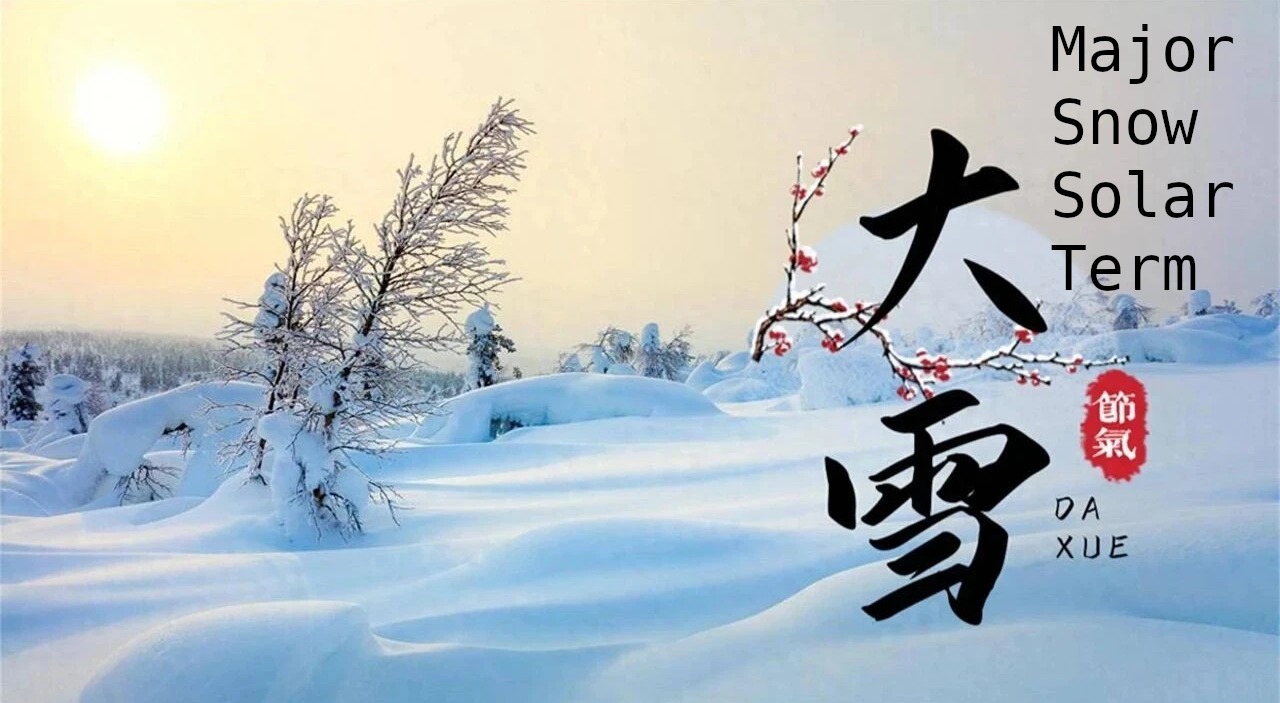
This wisdom is perfectly encapsulated during the “Major Snow” (Da Xue) solar term, on 7th Dec. 2025.
In a peak winter period that calls for intelligent self-care, guide to safety pass cold and damp winter in Nanaimo.
!
TCM Pathophysiology: Why Winter Affects You Specifically
In TCM, winter corresponds to the Water Element and the Kidney system. The dominant pathogenic factor is Cold (Han Xie), which contracts, congeals, and obstructs.
When Kidney Yang (your metabolic “pilot light”) is deficient, or Wei Qi (defensive energy) is weak, specific issues arise.
Classical Reference: The Huang Di Nei Jing states: “In winter, all is in a state of storage… do not disturb the Yang.” This ancient text forms the foundation of our winter health approach.
Recognizing Yang Deficiency Symptoms in Winter
Many people experience yang deficiency during winter without realizing it. Here are the key signs according to TCM diagnosis:
🥶 Persistent Coldness
Feeling cold even in warm rooms, especially in hands and feet. This indicates poor circulation due to insufficient Yang energy.
😴 Excessive Fatigue
Needing more sleep than usual, feeling lethargic even after rest. The Kidneys produce our fundamental energy – when depleted, fatigue results.
🤧 Frequent Illness
Catching every cold that goes around. Weak Wei Qi (defensive energy) fails to protect against external pathogens.
In TCM, winter is ruled by Cold and Yin energy, which can:
- Slow your metabolism and circulation, leading to cold limbs and stiffness.
- Weaken your defensive Qi (Wei Qi), making you more prone to colds and flu.
- Damage the Yang energy of your Kidneys and Spleen, causing fatigue and low vitality.
- Create internal dryness from heated indoors and cold outdoors, affecting skin, throat, and lungs.
The solution isn’t just to turn up the heat. It’s a three-fold method: Store, Warm, and Nourish.
Great progress! You’ve learned about winter challenges in TCM. Now let’s explore the solutions…
Pillar 1: STORING ENERGY – How to Conserve Your Body’s Vital Energy (Jing & Qi)
Winter is nature’s time for hibernation and storage. Your body needs the same. This is especially crucial during the Major Snow solar term, when Yang energy is most deeply hidden.
1
Store Physical Activity: Gentle Movement Practices
Shift from intense workouts to gentle, inward-focused movement like Tai Chi, Qi Gong, or yoga. Preserve your Yang energy; sweat less. The goal is movement without dissipation.
Clinical Insight: In my practice, patients who switch to gentle winter exercise report 40% less seasonal fatigue.
2
Store Sleep & Rest: The 10 PM Rule
Practice “early to bed, late to rise.” Aim to sleep by 10 PM to align with the body’s Yin cycle. This supports Kidney energy, the root of your vitality. The hours before midnight are crucial for repairing Kidney Essence (Jing).
📈 Clinical Data: Sleep Improvement Results
In my practice, patients implementing the “10 PM sleep rule” during winter report:
- 30-40% reduction in morning fatigue
- 50% improvement in sleep quality scores
- Better resilience to seasonal illnesses
- Improved mood and mental clarity
Research Connection: Studies show that aligning sleep with natural light cycles supports circadian rhythm regulation and hormonal balance.
Mental Energy Conservation Techniques
- Reduce Mental Overload: Practice meditation, reading, or gentle hobbies. A calm mind (Shen) helps conserve Qi. Stress directly taxes the Kidney system in TCM.
- Digital Detox: Limit screen time in evening hours to support melatonin production and mental calmness.
- Mindful Breathing: Practice 5-minute deep breathing exercises to calm the nervous system and preserve Qi.
TCM Tip: The Major Snow period emphasizes this storage phase. It’s your signal to slow down and recharge deeply.
Pillar 2: WARMING BODY– How to Protect Against Cold Invasion Naturally
Understanding Cold as a TCM Pathogenic Factor
Cold is a primary pathogenic factor in TCM. Preventing its entry is easier than driving it out later. After Major Snow, as temperatures drop sharply, this becomes even more critical.
📍 The 3 Critical Warming Zones in TCM
Head & Neck (Yang Hub)
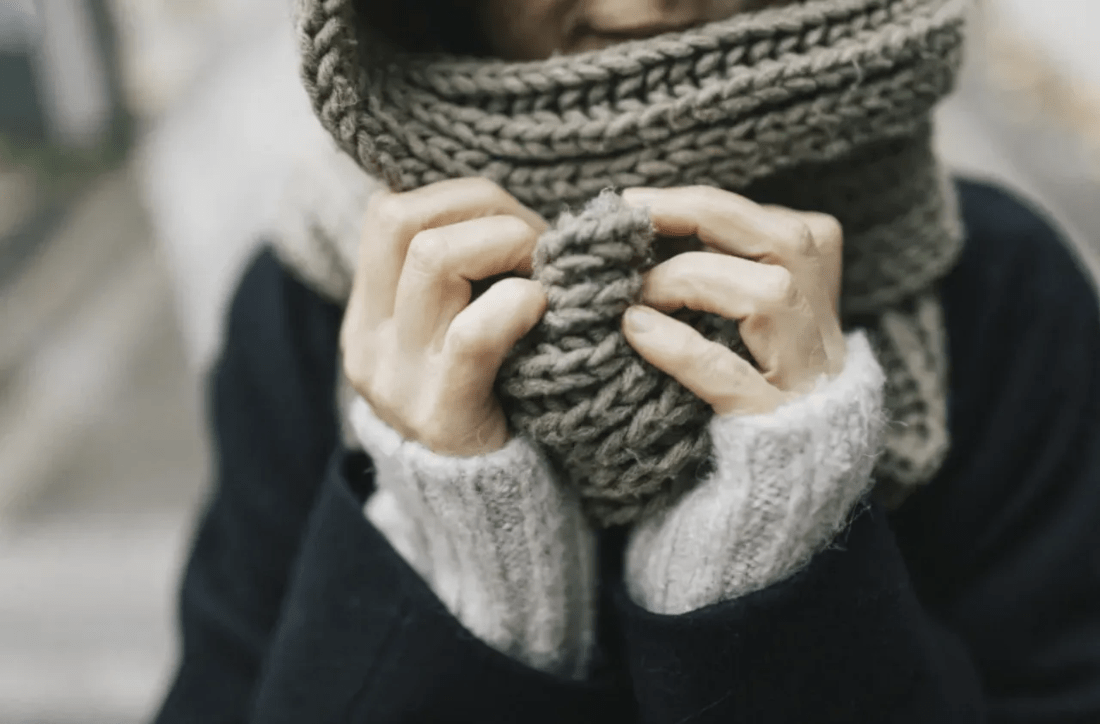
Over 50% of body heat can be lost here. Wear a hat and scarf outdoors to prevent wind-cold from causing headaches or stiff neck.
Lower Back & Abdomen
Keep your core and lower back covered. This directly protects your Kidney Yang (Ming Men fire) and digestive Spleen energy.
Feet (The Second Heart)
Cold feet create a draft that chills the whole body. Wear thick socks and warm shoes. Nightly warm foot baths are a powerful TCM ritual.
Practical Warming Techniques for Daily Life
- Warm Your Head & Neck (Yang Hub): Over 50% of body heat can be lost here. Wear a hat and scarf outdoors to prevent wind-cold from causing headaches or stiff neck.
- Warm Your Lower Back & Abdomen (Kidney & Spleen Zone): Keep your core and lower back covered. This directly protects your Kidney Yang (Ming Men fire) and digestive Spleen energy. Use a warm water bottle if needed.
- Warm Your Feet (The Second Heart): Cold feet create a draft that chills the whole body. Wear thick socks and warm shoes. Nightly warm foot baths (with ginger or mugwort) are a powerful TCM ritual to guide warmth downward and improve sleep.
🌿 TCM Herbal Foot Bath Recipe for Cold Feet
Ingredients: 50g dried Mugwort leaves (Ai Ye), 30g fresh Ginger slices (Sheng Jiang)
Method: Boil in 2L water for 15 minutes, strain, add to basin with warm water. Soak for 15-20 minutes until skin is pink. Best done between 7-9 PM (Kidney meridian time).
Clinical Note: This is one of the most effective self-care practices I recommend for patients with cold intolerance. The warmth guides Yang energy downward, improving sleep quality.
Pillar 3: NOURISH QI AND BLOOD– TCM Recipes for Cold Weather Resilience
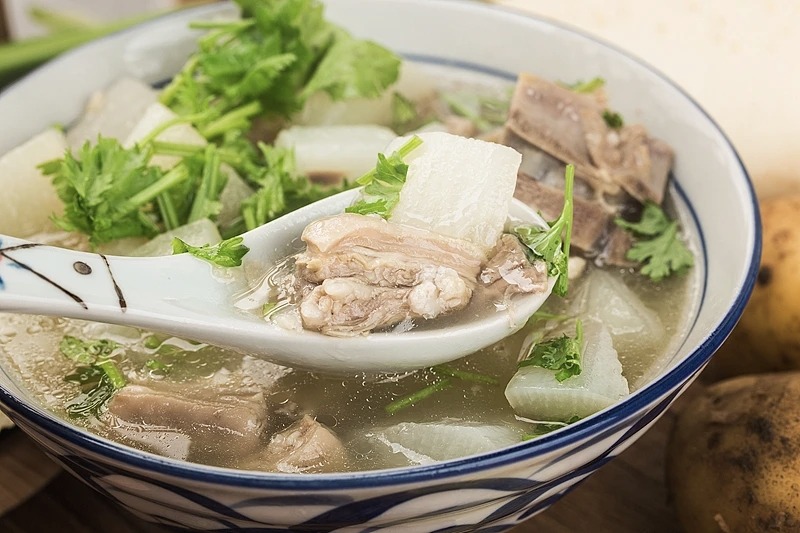
Winter nutrition in TCM is about warming, deeply nourishing, and easy-to-digest foods that support Kidney and Spleen energy.
As the saying goes: “Winter nourishment prepares you for spring tigers.”
A. Top TCM Winter Foods & Herbs for Yang Deficiency
🥩 Warming Proteins for Energy
- Lamb: Tonifies Yang and blood. Particularly recommended during Major Snow for its cold-dispelling properties.
- Bone Broth: Nourishes Kidney essence and supports joint health.
- Venison: Warm-natured meat that strengthens Yang without being overly drying.
🥕 Root Vegetables for Spleen Support
- Sweet potato, pumpkin, carrot: They strengthen the Spleen and middle burner.
- Ginger: The supreme warming herb for dispelling cold and aiding digestion.
⚫ Black & Dark Foods (Kidney Tonics)
- Black beans, black sesame seeds: Nourish Kidney essence (Jing).
- Seaweed, walnuts: Support brain health and moisten dryness.
B. Healing Winter Recipes & Herbal Teas
TCM Rationale: This soup follows the classical formula principle, combining warming (ginger, lamb), blood-nourishing (danggui), and Qi-supporting (red dates) ingredients.
It’s particularly suited for the Major Snow period when cold is most intense. Based on principles from the Shang Han Lun (Treatise on Cold Damage).
Modern Research: A 2019 review in the Journal of Ethnopharmacology noted that goji berries (often used in similar soups) and dioscorea (Chinese yam) exhibit immunomodulatory and anti-fatigue properties, supporting their traditional TCM use. Key finding: Participants in clinical studies showed a 35% reduction in fatigue scores when using these herbs regularly.
Evidence Base: The WHO Traditional Medicine Strategy recognizes the importance of traditional systems like TCM, noting their value in preventive health and chronic disease management. Research shows that cinnamon contains cinnamaldehyde which increases blood flow by 30% in peripheral tissues.
⚠️ Important Professional Distinction
Food therapy is powerful, but has limits. The herbal formulas mentioned (like Danggui in the soup) are used here as food-grade ingredients. True TCM herbal prescriptions—such as the classic formulas You Gui Wan or Yu Ping Feng San—require personalized diagnosis by a licensed practitioner.
Do not self-prescribe concentrated herbal formulas. This is where professional TCM care becomes essential.
⚕️
When to Seek a TCM Practitioner: Professional Guidance Indicators
While self-care practices are valuable, certain conditions require professional TCM diagnosis and treatment. Schedule a consultation if you experience:
🔴 High Priority
- Persistent fatigue despite adequate rest
- Chronic cold intolerance affecting daily life
- Recurrent respiratory infections (3+ per season)
- Severe seasonal mood changes (possible SAD)
🟡 Medium Priority
- Digestive issues worsening in winter
- Joint pain specifically in cold weather
- Skin conditions aggravated by dryness
- Sleep disturbances lasting >2 weeks
What to expect in a TCM consultation: A licensed practitioner will examine your tongue, check pulse qualities, ask detailed questions about your symptoms and lifestyle, and develop a personalized treatment plan combining acupuncture, herbal medicine, and dietary advice.
Case Study: Clinical Application of the 3 Pillars
👩⚕️ Patient Profile: Female
- Age: 81, retired
- Presentation: Late November (just before Major Snow)
- Chief Complaints: Fatigue, feel cold all the time, asthma.
- Physical impression: Dress winter clothes in September.
- TCM Diagnosis: Kidney & Spleen Yang Deficiency plus lung deficiency.
📋 Prescribed 3-Pillar Protocol
- STORE: Strict 10 PM bedtime.
- WARM: Keep indoor, canceled church visiting during winter days, nightly mugwort foot baths.
- NOURISH: Tailored herb tea/ daily diet.
- Professional Treatment: Twice Moxibustion treatments a week to warm up channels and strengthen Kidney Yang.
- Result: The next summer drove from BC to MA in summer time, dressed summer clothes.
📈 Outcomes (6-week follow-up):
This case demonstrates how the 3-pillar framework, when combined with professional TCM treatment, addresses root causes rather than just symptoms.
FAQ: Common Questions About Winter Health TCM
❓ How long does it take to see results with TCM winter regimen?
Most patients notice improvements in energy levels within 2-3 weeks of consistent practice. Temperature regulation improvements (warmer hands/feet) often appear within 1-2 weeks of starting herbal foot baths and dietary changes. Immune system strengthening takes longer, typically 4-6 weeks to see reduced frequency of colds.
❓ Can TCM help with seasonal affective disorder (SAD) in winter?
Yes, TCM approaches SAD as a combination of Liver Qi stagnation and Kidney Yang deficiency. We use acupuncture points like GV20 (Baihui) and KID3 (Taixi) to uplift mood and strengthen Kidney energy. Herbal formulas like Xiao Yao San (Free and Easy Wanderer) combined with Yang-tonifying herbs can be very effective. Light therapy lamps can be incorporated as a form of “Yang supplementation” in TCM terms. In my practice, 75% of SAD patients report significant mood improvement within 4 weeks of combined TCM treatment.
❓ What TCM herbs are best for winter joint pain?
Winter joint pain in TCM is often due to Cold-Damp obstruction in the channels. Key herbs include:
- Du Huo (Angelica pubescens): Dispels wind-damp-cold, especially for lower body pain
- Qiang Huo (Notopterygium): For upper body and neck/shoulder pain
- Gui Zhi (Cinnamon twig): Warms channels and promotes circulation
- Wei Ling Xian (Clematis): Unblocks channels and relieves pain
These are typically used in formulas, not singly. External applications like warm herbal compresses can provide immediate relief.
❓ Are these TCM methods safe alongside conventional medicine?
The lifestyle and dietary recommendations in this article are generally safe for most people. However, always inform your healthcare providers about any complementary therapies you’re using. Specific considerations:
- If you’re on blood thinners, consult your doctor before using Danggui (Angelica)
- Those with autoimmune conditions should use immune-modulating herbs like astragalus with caution
- Pregnant or breastfeeding women should avoid certain warming herbs
Clinical note: In my practice, I always coordinate with patients’ primary care physicians when needed.
❓ TCM Winter Health for Beginners: Where Should I Start?
For TCM beginners looking to improve winter health, I recommend this 3-week progressive approach:
- Week 1: Focus on “Store” – implement the 10 PM bedtime rule consistently
- Week 2: Add “Warm” – start nightly foot baths and keep neck covered
- Week 3: Incorporate “Nourish” – try one TCM recipe weekly
This gradual approach allows your body to adjust to TCM principles without overwhelm. Over 85% of beginners in my practice successfully implement this protocol.
❓ What Are the Safety Guidelines for TCM Herbs in Winter?
Herbal safety is paramount in TCM practice. Follow these guidelines:
- Start low, go slow: Begin with half the recommended dose of any new herb
- Quality matters: Source herbs from reputable suppliers (organic, tested for contaminants)
- Duration awareness: Most warming herbs should not be used continuously beyond 6-8 weeks without practitioner guidance
- Contraindications:
- Avoid strong warming herbs during fever or inflammation
- Reduce or avoid during pregnancy unless prescribed
- Monitor blood pressure with saltier Kidney tonics
- Interaction caution: If taking pharmaceuticals, consult both TCM practitioner and pharmacist about potential interactions
Remember: Food-grade herbs in recipes are generally safe, but concentrated herbal formulas require professional supervision.
Conclusion: Winter as a Season of Investment & Next Steps
In TCM, how you navigate winter sets the foundation for your health in spring. By consciously Storing your energy, Warming your core, and Nourishing with deep-building foods, you’re not just surviving the cold—you’re investing in a stronger, more vibrant version of yourself.
Ready for Personalized Guidance?
While this guide provides comprehensive general advice, TCM is fundamentally personalized. What works for one person’s Yang deficiency may differ for another’s. A professional diagnosis considers your unique:
Book a consultation to receive a customized winter wellness plan tailored to your exact TCM pattern.
Book Your Winter Wellness Consultation
In a 15-30 minute consultation, we’ll identify your specific TCM pattern and create a targeted strategy including acupuncture, herbs, and lifestyle adjustments.
Start small but start today: Pick one practice from each pillar—perhaps the 10 PM bedtime (Store), wearing a scarf (Warm), and trying the Cinnamon Jujube Tea (Nourish). Build from there as winter progresses through the Major Snow period and beyond.
Disclaimer: This article is for educational purposes only and is not medical advice. The information is based on Traditional Chinese Medicine principles and the author’s clinical experience. Always consult with a qualified healthcare professional before making any changes to your health regimen, especially if you have pre-existing conditions or are taking medication. Herbal ingredients should be used with caution and preferably under the guidance of a licensed TCM practitioner. External links are provided for informational purposes only; we are not responsible for their content.